REPRODIVAC - Next-generation vaccines and diagnostics to prevent livestock reproductive diseases of worldwide impact


News
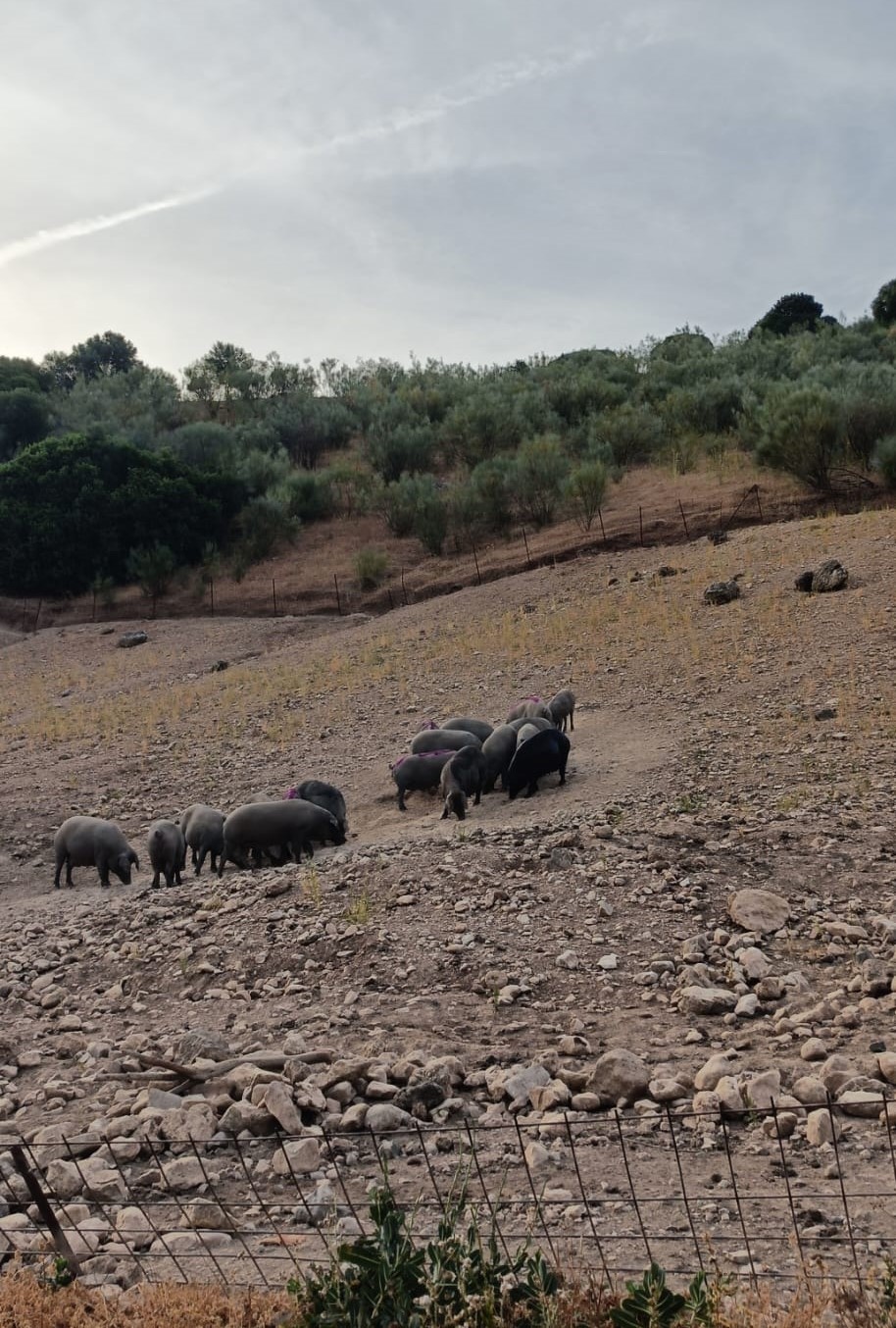
REPRODIVAC Team Engages with Iberian Pig Farmers and Veterinarians in Southern Spain
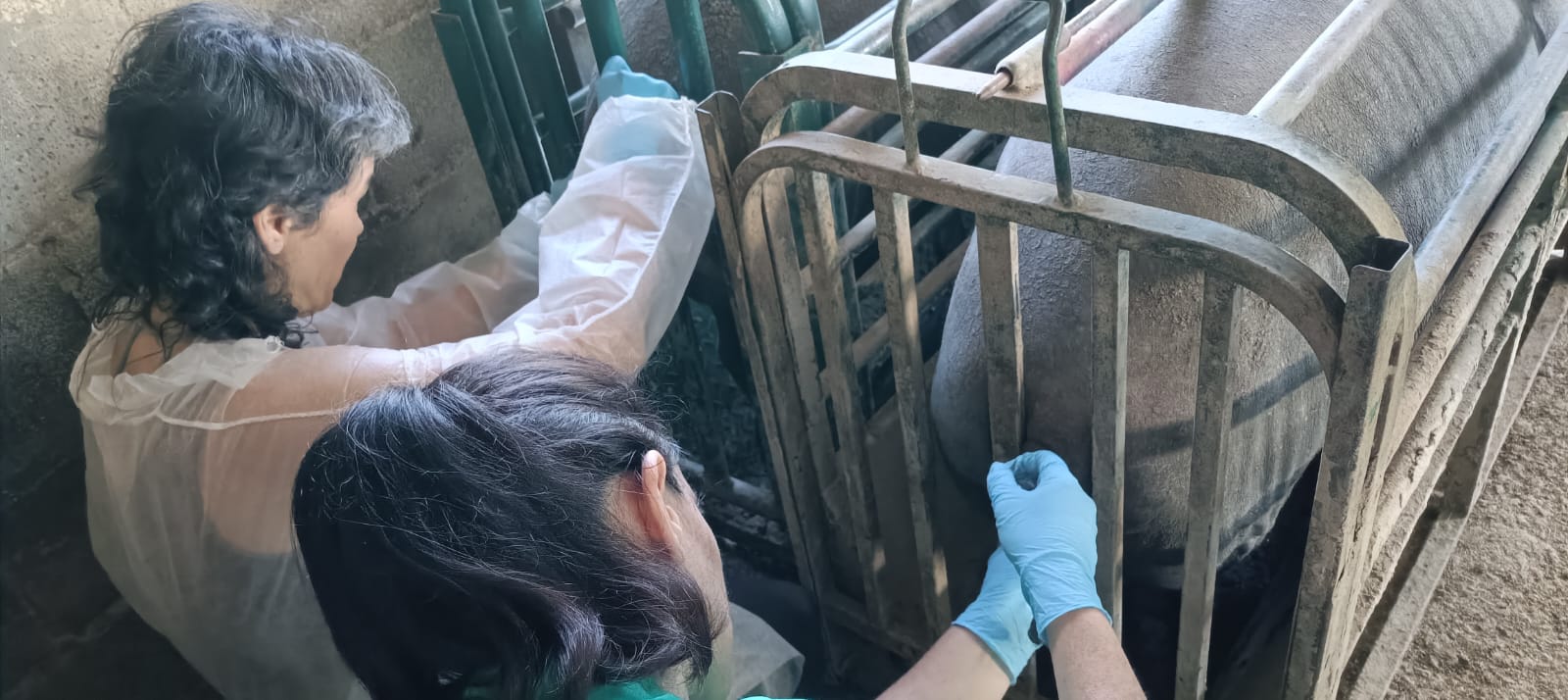
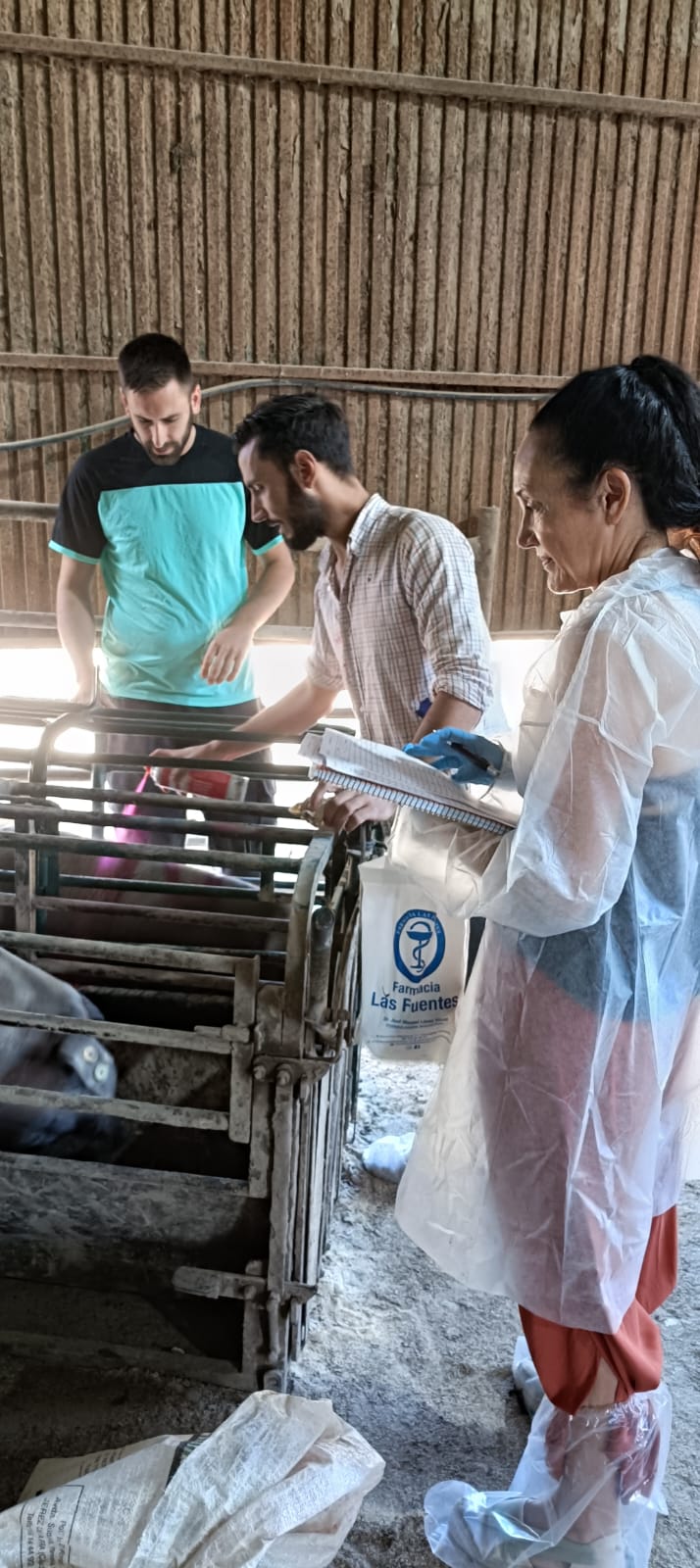
This week, members of the Brucellosis Research Group at CITA Aragón, Pilar M. Muñoz and M. Jesús de Miguel, travelled to a rural area in southern Spain to carry out diagnostic field activities and strengthen collaboration with stakeholders from the Iberian pig sector.
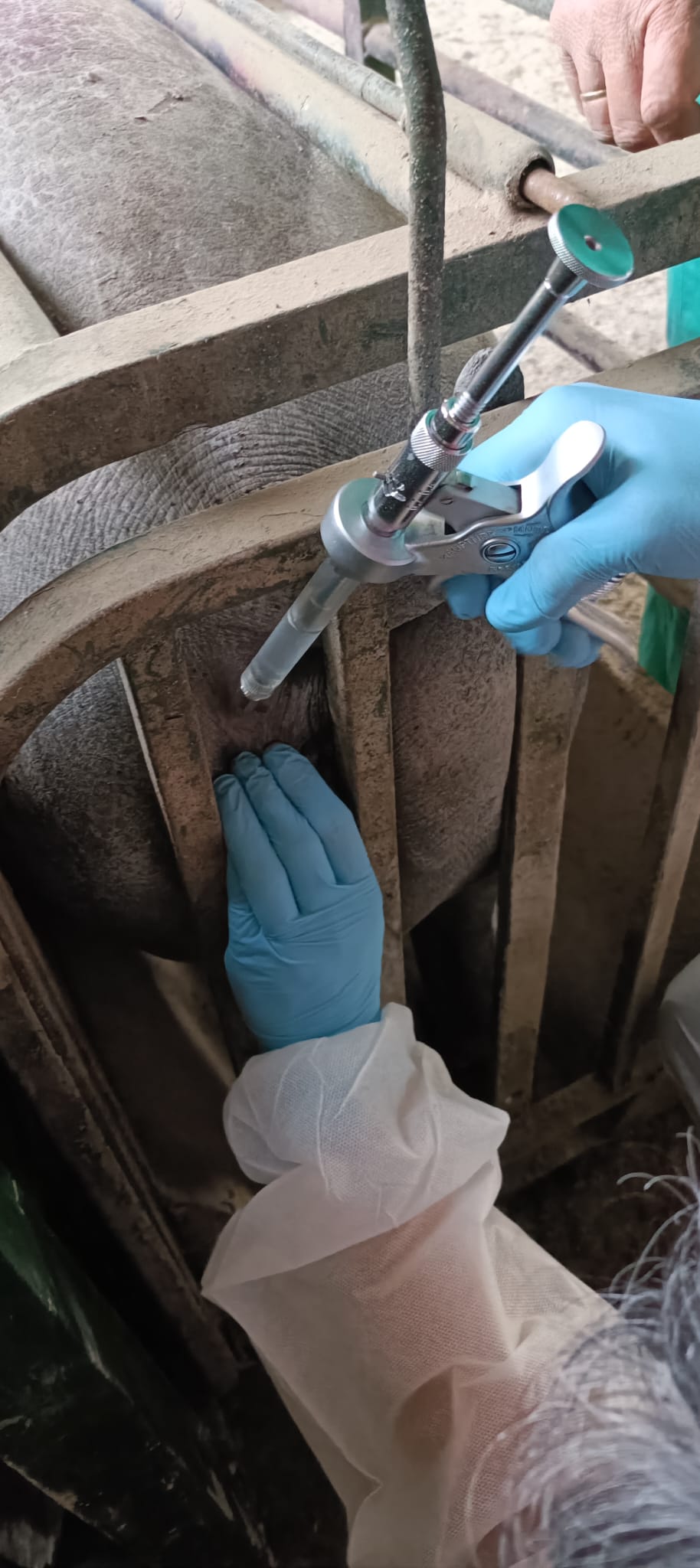
As part of the visit, the team conducted a diagnostic trial on a Iberian pig farm to evaluate and improve tools for the detection of porcine brucellosis under field conditions. These activities are an important step towards developing more effective diagnostic strategies that can support disease surveillance and control.
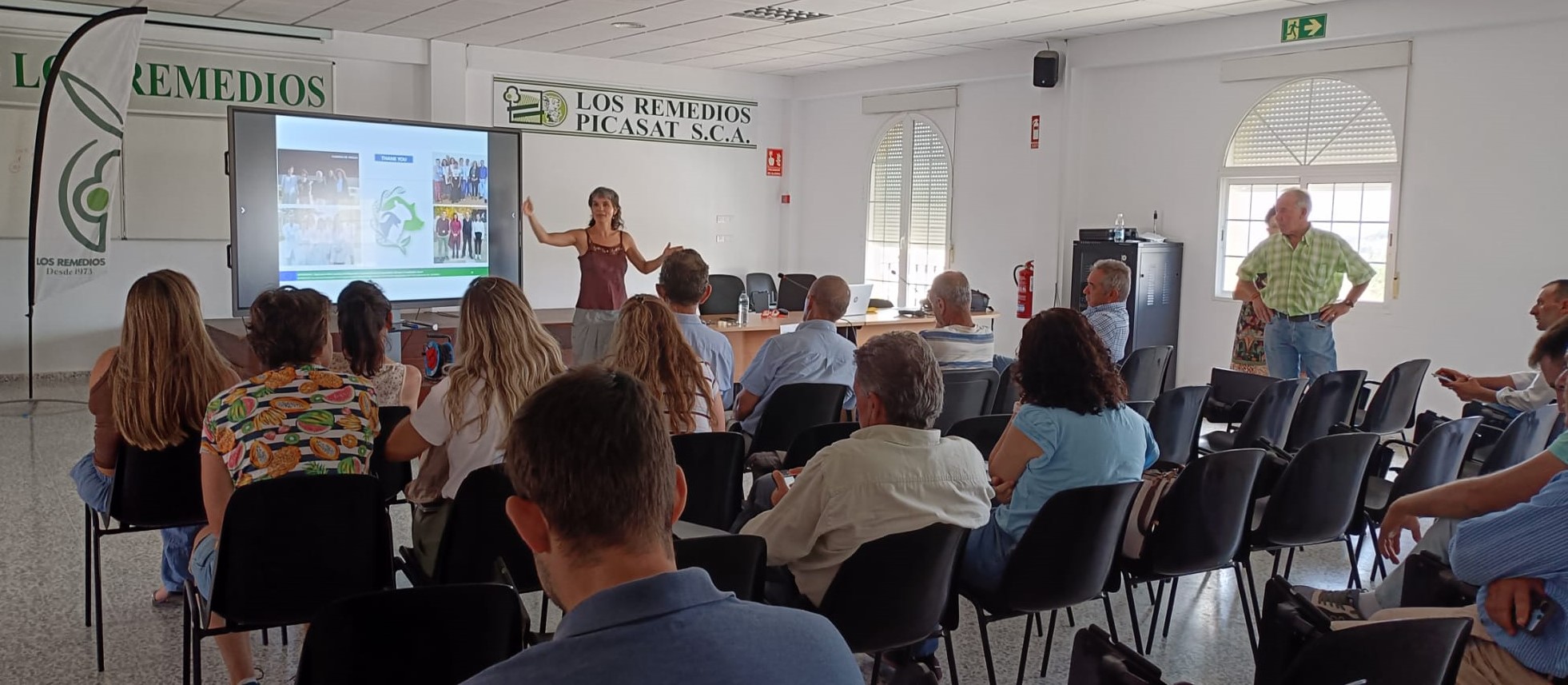
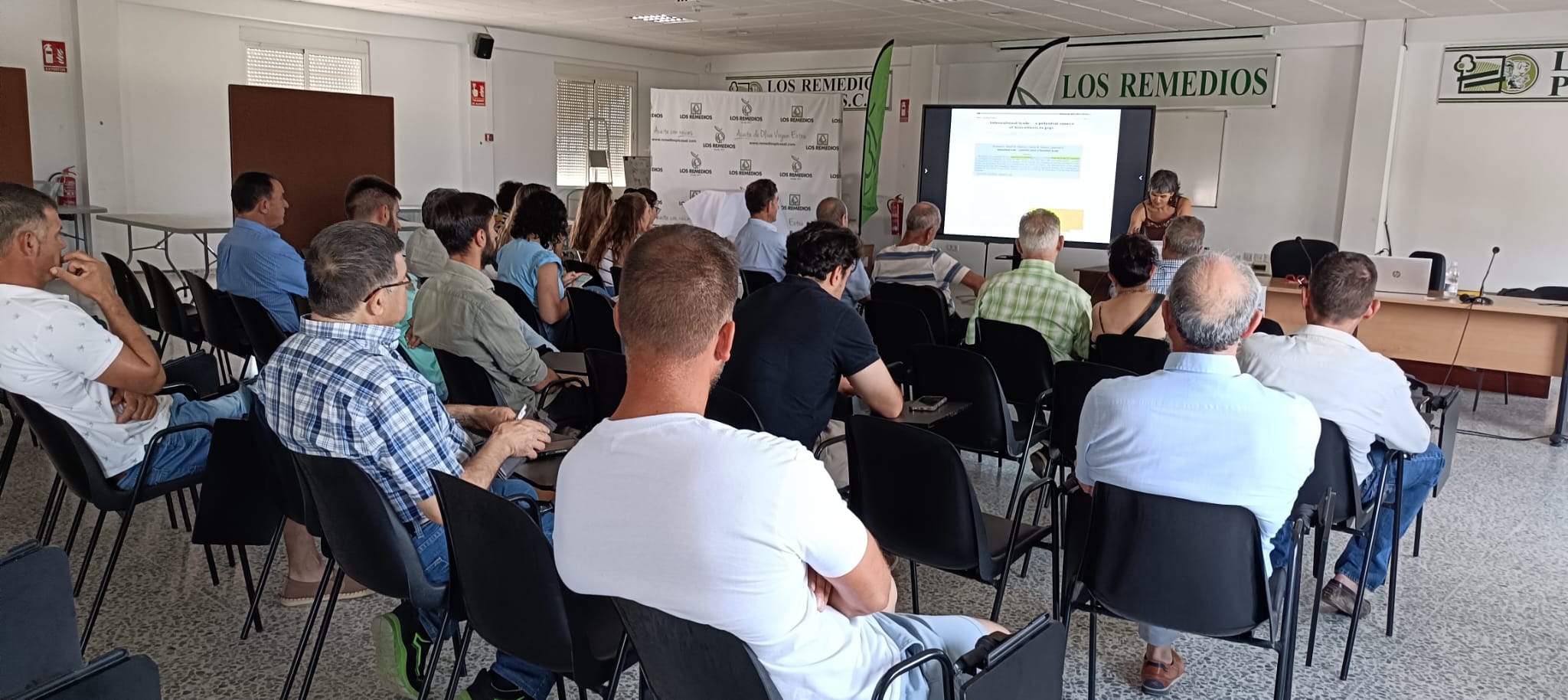
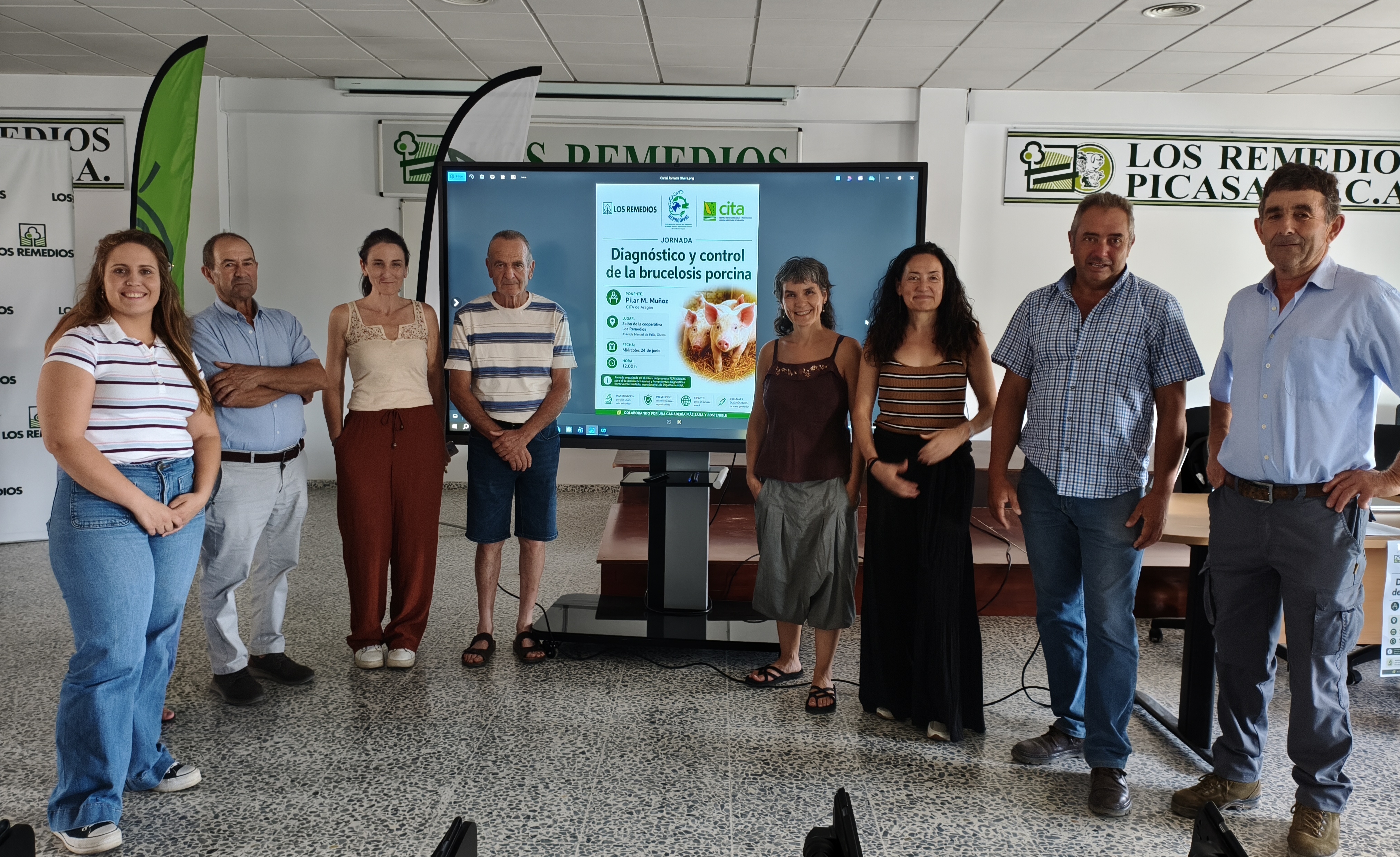
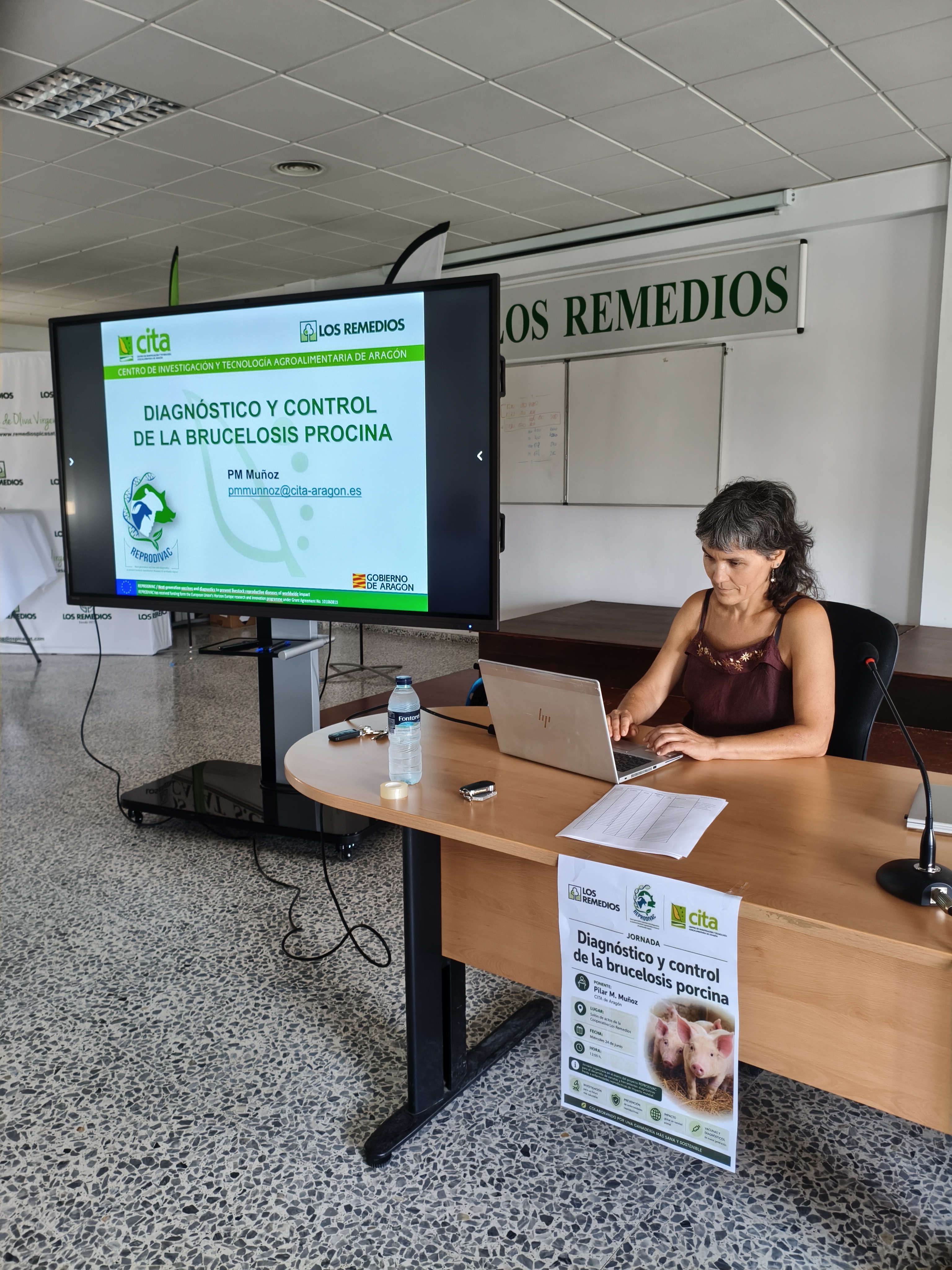
The visit also included an information and outreach workshop attended by local veterinarians and pig farmers who are actively concerned about the challenges posed by porcine brucellosis in the region. During the meeting, the REPRODIVAC team presented the latest advances in the diagnosis and control of brucellosis in pig farms and introduced the objectives and ongoing work of the REPRODIVAC project.
Participants showed great interest in the project’s progress and welcomed the opportunity to discuss innovative approaches for improving disease diagnosis and control. Beyond porcine brucellosis, the audience was particularly interested in REPRODIVAC’s work on other major reproductive diseases affecting livestock, including chlamydiosis, Q fever, and Porcine Reproductive and Respiratory Syndrome (PRRS).
These field activities and knowledge exchange events are essential for ensuring that research outcomes are closely aligned with the needs of farmers and veterinarians, ultimately contributing to healthier livestock and more sustainable animal production systems


REPRODIVAC has received funding from the European Union’s Horizon Europe research and innovation programme under Grant Agreement No. 101060813. Views and opinions expressed are however those of the author(s) only and do not necessarily reflect those of the European Union or other granting authorities. Neither the European Union nor the other granting authorities can be held responsible for them.

REPRODIVAC has received funding from the European Union’s Horizon Europe research and innovation programme under Grant Agreement No. 101060813. Views and opinions expressed are however those of the author(s) only and do not necessarily reflect those of the European Union or other granting authorities. Neither the European Union nor the other granting authorities can be held responsible for them.